Introduction:
In recent years, the concept of gamification has become a significant trend in education. By incorporating elements of game design into the learning process, schools are transforming traditional classroom environments into more engaging and interactive spaces for students. At LK International School, the list of Top School in Ghaziabad where this method harnesses the power of competition, rewards, and challenges to motivate students, enhance learning outcomes, and increase participation.
What is Gamification in Education?
Gamification refers to the integration of game-like features into non-game settings, such as education. In the classroom, it involves using elements like points, badges, leaderboards, and challenges to create a game-like environment for students. The idea is to make learning more enjoyable and interactive by using the motivational power of games to drive educational objectives.
Unlike regular games, the focus is not solely on entertainment but on improving students’ knowledge and skills. Educators leverage these game-like mechanics to create personalized and immersive learning experiences, enabling students to become more active participants in their education.
The Benefits of Gamification in Learning
- Enhanced Student Engagement : Gamification can significantly increase student engagement. In a traditional classroom, students may lose interest in repetitive tasks, but introducing gaming elements keeps them actively involved. The sense of accomplishment from completing levels, earning badges, or unlocking achievements keeps students motivated throughout the learning process.
- Increased Motivation : The use of rewards and recognition plays a crucial role in motivation. Through gamification, students are more likely to be motivated by the instant feedback they receive, pushing them to complete tasks and strive for more knowledge. This leads to improved participation in class activities.
- Personalized Learning : Gamification allows for personalized learning paths. Students progress at their own pace, and teachers can design challenges that cater to different learning styles and abilities. For example, some students may excel in collaborative problem-solving tasks, while others may perform better in individual activities. This flexible approach enables students to feel more comfortable in their learning journey.
- Collaboration and Teamwork : Gamification often involves team-based activities, which foster collaboration and communication among students. Working together to solve challenges or complete tasks teaches students the value of teamwork and enhances their social skills. In this way, the classroom becomes a community where shared goals lead to collective success.
- Real-Time Feedback and Assessment : Through game-like features, educators can provide real-time feedback to students. Instant results from quizzes, interactive assessments, and progress reports help students recognize their strengths and areas for improvement. This timely feedback boosts student confidence and encourages continuous learning.
- Development of Critical Thinking Skills : Many gamified activities require students to think critically and solve problems. Whether they are solving puzzles, completing tasks, or making strategic decisions, students use critical thinking to overcome obstacles. These cognitive skills are essential for academic success and personal development.
Popular Gamification Tools in the Classroom
Several platforms and tools have emerged to help educators gamify their classrooms. Here are some of the most popular options:
- Kahoot! : Kahoot! is a game-based learning platform that allows teachers to create quizzes and challenges. The interactive nature of Kahoot! promotes competition and collaboration among students, making learning fun and engaging.
- Classcraft : Classcraft is a role-playing game where students earn points by completing assignments, participating in discussions, and achieving their learning goals. Teachers can customize the game to suit the classroom environment, and students can team up to solve quests and missions.
- Quizizz : Quizizz allows students to participate in quizzes at their own pace. With leaderboards and real-time feedback, Quizizz fosters healthy competition and helps students assess their knowledge.
- Duolingo : For language learners, Duolingo offers gamified lessons that help students practice their skills in a fun and engaging way. The platform uses points, levels, and streaks to motivate learners to progress through various language lessons.
Implementing Gamification in Schools
Incorporating gamification in education requires careful planning and thoughtful execution. Here’s a step-by-step guide on how schools can successfully integrate gamification into the classroom:
- Define Learning Objectives : The first step in gamifying the classroom is to clearly define the educational goals. Teachers need to determine what skills or knowledge they want students to acquire through the gamified experience. Aligning game elements with the curriculum ensures that gamification serves a purpose beyond entertainment.
- Select Appropriate Tools : Choosing the right tools or platforms is essential to successful gamification. Educators must consider the age group, subject matter, and technological capabilities of their students. Whether it’s quiz-based platforms, simulations, or role-playing games, the selected tool should complement the learning objectives.
- Create a Reward System : A well-designed reward system is crucial for motivating students. Teachers should use a combination of points, badges, and leaderboards to reward both individual and team performance. The rewards should align with the educational goals, so that students remain focused on learning rather than just winning.
- Monitor and Adjust : Teachers must monitor student progress and adjust the gamified elements as needed. Not every student may respond the same way to gamification, so it’s essential to assess the effectiveness of the approach. Gathering feedback from students and making adjustments helps ensure the method remains impactful.
Overcoming Challenges in Gamification
While gamification has many benefits, it is not without challenges. Schools must address these obstacles to fully realize the potential of gamified learning.
- Technology Integration : Not all schools have access to the technological infrastructure needed to implement gamification. Teachers may face difficulties in incorporating game-based learning if their students don’t have access to devices like laptops or tablets. Schools must find ways to overcome this gap by providing resources or seeking alternative, low-tech solutions.
- Balancing Fun and Education : It’s essential that teachers strike a balance between fun and education. If the focus shifts too much toward entertainment, students may lose sight of the learning objectives. The game mechanics should support the educational goals rather than distract from them.
- Student Diversity : Every classroom has diverse learners with different needs, abilities, and preferences. Some students may thrive in a gamified environment, while others may not respond as well. Teachers need to account for these differences by offering alternative ways for students to engage with the material.
- Managing Competition : While competition can be a powerful motivator, it’s essential to ensure that it remains healthy and constructive. Teachers should monitor classroom dynamics to prevent excessive rivalry or discouragement among students. Emphasizing teamwork and collaboration can help foster a more supportive learning environment.
The Future of Gamification in Education
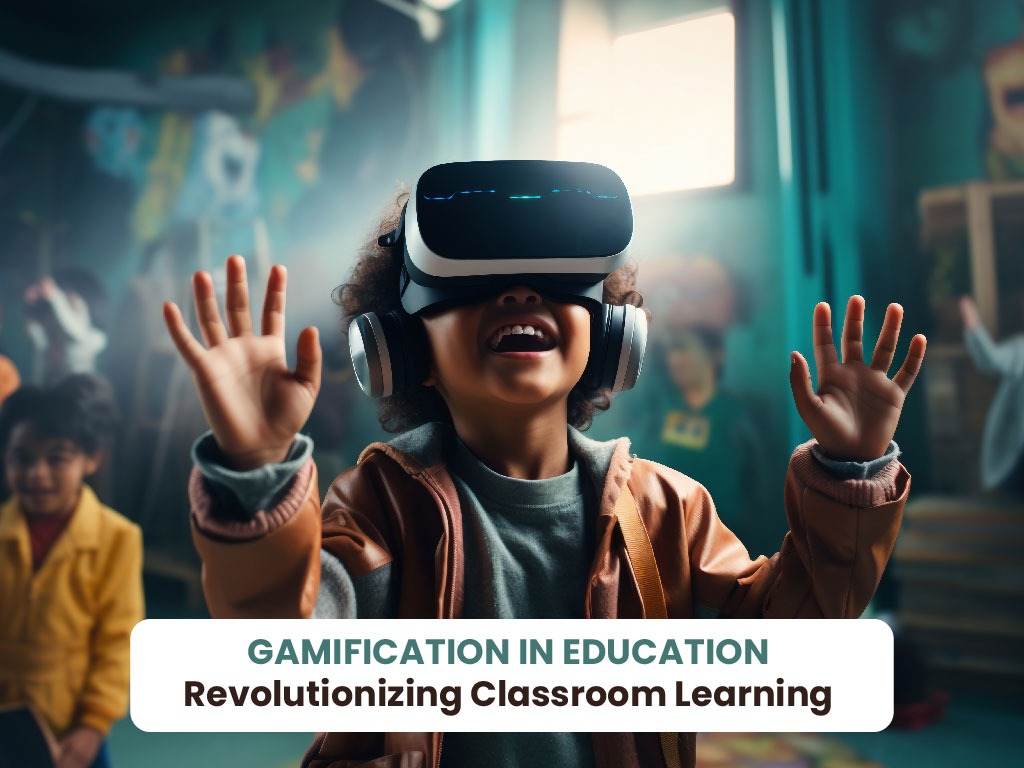
As education continues to evolve, gamification will likely play an even more prominent role in shaping classroom experiences. Emerging technologies such as virtual reality (VR), augmented reality (AR), and artificial intelligence (AI) are opening new possibilities for gamified learning. These tools offer immersive, personalized experiences that can take student engagement to new heights.
Moreover, the rise of adaptive learning platforms, which tailor the learning experience to individual student needs, aligns perfectly with gamification. By continuously assessing student progress and adjusting the difficulty of tasks, these platforms help create a customized learning path that ensures every student can succeed.
Conclusion
Gamification in education represents a powerful shift in how students interact with learning. By transforming traditional classrooms into engaging, interactive spaces, this approach has the potential to improve student outcomes, boost motivation, and foster a love for learning. At LK International School, the Best School in Ghaziabad list where technology continues to advance, schools have a unique opportunity to leverage gamified learning to prepare students for the future. The possibilities are endless, and the future of education looks brighter with gamification as a central component.